
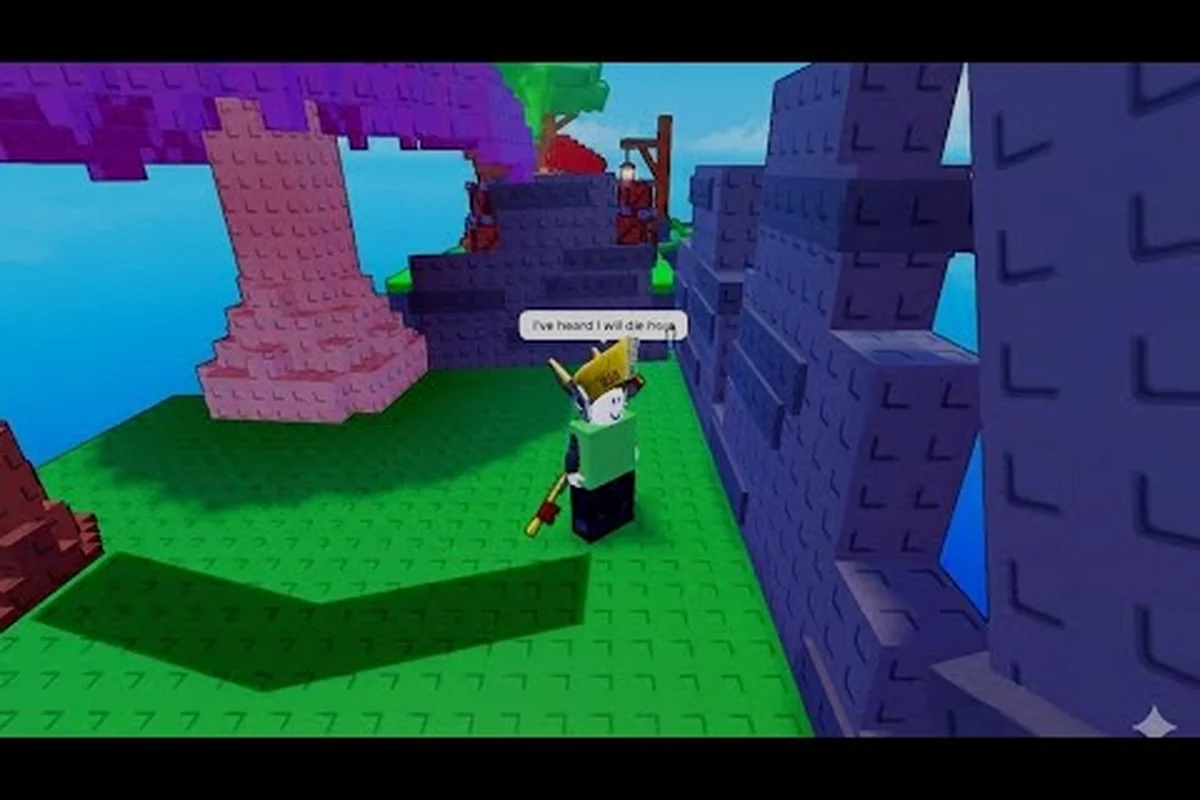
The snipers vs runners sniper guide you are about to read breaks down everything you need to know about the marksman role in Stock Studios Inc.'s Roblox hit. While runners sprint through open courses and weave between checkpoints, the sniper sits in the center of the map, holding elevated sightlines and eliminating anyone who dares cross. Since the game launched on May 16, 2026, the sniper role has attracted over 3.96 million visits, and for good reason: no other position in the game offers the same blend of precision, patience, and raw power. This guide covers the snipers vs runners sniper role from the ground up, including aiming fundamentals, scope discipline, target priority, and advanced positioning strategies that separate average shooters from match-winning marksmen.
Understanding how to play sniper effectively matters more than most players realize. A skilled sniper controls the entire pace of a round, forcing runners to burn abilities early and take risky routes. If you have ever watched a top-tier sniper lock down a map and wondered how they make every shot count, this guide answers that question with concrete mechanics, community-tested strategies, and practical drills you can apply immediately. Whether you are new to the role or looking to refine your aim, the sections below walk through every layer of the sniper experience, from basic scoping mechanics to advanced reload timing and map-specific sightline management.
The Sniper Role: Core Responsibilities and Match Flow
The snipers vs runners sniper role is fundamentally about map control through elimination. Unlike runners who focus on forward progress, the sniper holds the middle ground and punishes movement mistakes. According to the official Snipers Vs Runners! Roblox game page, the sniper's job is to "take out all the Runners" while positioned between the spawn and the finish line. This central placement gives the marksman a natural advantage: every runner must cross your field of fire at least once, and most routes force multiple exposures.
Your primary responsibilities break down into three distinct phases that repeat every round:
-
Early round: Establish a sightline that covers the first checkpoint cluster and identify which runners are using speed abilities early.
-
Mid round: Track ability usage and prioritize targets who have burned their smoke or shield, since they can no longer protect themselves.
-
Late round: Shift focus to the final approach, where runners become desperate and often abandon cover for a straight sprint to the finish.
The sniper role demands a different mindset than the runner position. While runners react to threats, snipers create them. Every shot you take sends a message to the entire lobby, and every miss gives runners confidence to push harder. This psychological layer is why the snipers vs runners sniper role feels so rewarding when played well: you are not just shooting, you are controlling the emotional flow of the match. Community reports from the RoBros gameplay video SNIPERS VS RUNNERS IN ROBLOX! highlight how a dominant sniper can force entire teams to abandon the middle lane entirely, which opens up predictable flank routes that are easier to ambush.
The sniper also serves as the team's information gatherer. Because you hold elevated positions, you see the full map layout and can track which routes are being favored. Calling out runner positions to teammates, even in casual play, dramatically improves your team's win rate. This communication layer is often overlooked in basic snipers vs runners sniper tips, but it is one of the highest-impact habits you can develop.
Sniper Aiming Fundamentals: Crosshair Placement and Flick Shots
Mastering snipers vs runners how to aim starts with understanding that the sniper rifle in this game is a precision weapon, not a spray-and-pray tool. Every shot has a meaningful cooldown, which means missing is not just a lost opportunity, it is a window of vulnerability where runners can cross safely. The best snipers treat each trigger pull as a commitment, and they build their entire aiming approach around making those commitments count.
Crosshair Placement: The Foundation of Consistent Aim
Crosshair placement is the single most important aiming skill because it eliminates the need for large adjustments. Instead of aiming at the center of the screen and reacting to runners as they appear, you should pre-aim at head height along the most likely movement paths. This technique reduces the distance your crosshair must travel, which translates directly into faster and more accurate shots.
| Aiming Scenario | Crosshair Position | Expected Outcome |
|---|---|---|
| Runner sprinting straight | Head height at chest level | Quick elimination without vertical adjustment |
| Runner using speed burst | Lead slightly ahead of their movement | Connect on the exit point of the burst |
| Runner behind partial cover | Edge of the cover, waiting for peek | Immediate shot when they expose themselves |
| Runner jumping over obstacles | Above head height, at jump apex | Catch them mid-air where they cannot dodge |
The table above represents the core aiming scenarios you will encounter in almost every match. Practicing these four situations in a private server, if you have access to one through the how to play with friends guide, will build muscle memory faster than any amount of live match experience. The key is repetition: run the same scenario dozens of times until the crosshair placement becomes automatic.
Flick Shots and Target Acquisition
Flick shots are the second layer of snipers vs runners sniper aiming. These are fast, reactive shots where you snap your crosshair onto a target that appears suddenly, often from behind cover or after an ability activation. Flick shots are inherently less consistent than pre-aimed shots, but they are sometimes the only option when runners use smoke or decoy abilities to break your sightline.
The carry game gameplay video ROBLOX Snipers Vs Runners! demonstrates this exact scenario: runners popping out of smoke clouds at unpredictable angles, forcing the sniper to react with quick flicks rather than patient pre-aiming. The video also shows the importance of reload discipline — firing a flick shot and immediately resetting your crosshair to a defensive position rather than chasing the elimination.
To improve your flick shots, practice this drill: stand in the center of the map, pick a distant object, then rapidly switch between two or three different targets. Start slow and focus on accuracy, then gradually increase speed. Over time, your brain will develop the hand-eye coordination needed to land consistent flicks in live matches.
Scoping Mechanics: Zoom Levels, Sensitivity, and Scope Discipline
Understanding snipers vs runners scoping is what separates players who can aim from players who can dominate. The scope is your primary tool, but it is also your biggest vulnerability. When you are scoped in, your field of view narrows dramatically, which means runners approaching from the sides can catch you completely off guard. Managing this trade-off is the essence of advanced sniper play.
Zoom Level Selection and Sensitivity Tuning
The game offers multiple zoom levels, and each one serves a different purpose. The lower zoom level is ideal for mid-range engagements where runners are approaching but not yet close. The higher zoom level excels at long-range shots across the map, but it makes close-range defense nearly impossible. Knowing when to switch between these levels is a core skill that many players overlook.
| Zoom Level | Best Used For | Sensitivity Impact | Risk Level |
|---|---|---|---|
| Low zoom | Mid-range tracking, multi-target awareness | Faster sensitivity, easier to adjust | Moderate — you can still see flanks |
| High zoom | Long-range eliminations, camping sightlines | Slower sensitivity, precise adjustments | High — tunnel vision on one target |
| No scope | Close-range defense, quick reaction shots | Full sensitivity, normal movement | Low — maximum awareness, low accuracy |
Your sensitivity settings should match your zoom level preference. If you spend most of your time at high zoom, a lower sensitivity gives you finer control over micro-adjustments. If you prefer the flexibility of low zoom, a higher sensitivity lets you track moving runners more effectively. According to community testing, most top snipers run sensitivity settings between 0.4 and 0.7 on the Roblox default scale, but this is highly personal and should be tuned through experimentation.
Scope Discipline: When to Unscope
Scope discipline is the art of knowing when to zoom in and when to stay at normal view. The best snipers spend more time unscoped than scoped, using the scope only for the final confirmation of a shot. This approach keeps your peripheral vision active, allowing you to spot flanking runners and react to threats from multiple directions.
The snipers vs runners scoping rhythm that works best for most players follows a simple pattern: scan the map at normal view, identify a target, scope in, take the shot, then immediately unscope and re-establish your surroundings. This cycle takes about two seconds when executed properly, and it keeps you alive far longer than staying scoped in for extended periods. The carry game video highlights this exact rhythm, showing how the sniper player constantly toggles between scoped and unscoped states to maintain map awareness.
Advanced Sniper Strategies: Positioning, Target Priority, and Reload Timing
Once you have mastered the fundamentals of snipers vs runners how to play sniper, the next layer is advanced strategy. This is where you start making decisions that impact the entire round, not just individual eliminations. The snipers vs runners sniper tips in this section come from community reports and gameplay analysis, and they represent the difference between a good sniper and a round-winning one.
Positioning: Holding Sightlines and Rotating
Positioning is the strategic foundation of the sniper role. Your goal is to hold sightlines that cover the most likely runner paths while maintaining the ability to rotate when runners adapt. The center of the map offers the best overall coverage, but it also makes you predictable. Advanced snipers rotate between two or three key positions over the course of a round, forcing runners to constantly re-evaluate their routes.
| Position Type | Coverage Area | Rotation Trigger | Risk vs. Reward |
|---|---|---|---|
| Center high ground | Full map coverage, all lanes | When runners split to both flanks | High reward, high exposure |
| Side elevated platform | One main lane, partial flank view | When center becomes too hot | Moderate reward, safer position |
| Near finish line | Final approach only | When round progresses to late phase | High reward, low early value |
The rotation trigger column is critical: you should never stay in one position for the entire round. Runners learn your sightlines quickly, and they will adapt by taking routes that avoid your field of fire. By rotating at the right moments, you keep runners guessing and maintain pressure across the entire map.
Target Priority: Who to Shoot First
Not all runners are equal targets. Prioritizing correctly can swing a round more than raw aim skill. The highest-value targets are runners who have already used their defensive abilities, since they cannot escape your next shot. Runners with smoke or shield abilities are lower priority because they can survive your first hit and escape.
-
Highest priority: Runners who burned their smoke or shield early, leaving them defenseless.
-
High priority: Runners who are close to the finish line, since eliminating them resets their progress significantly.
-
Medium priority: Runners using speed bursts, since they are moving predictably in a straight line.
-
Low priority: Runners who just spawned and are far from your position, unless they are grouping with other targets.
This priority system is based on community reports from the official game page's player base, and it aligns with the gameplay shown in the RoBros video. The key insight is that eliminations near the finish line are worth more than eliminations near the spawn, because they force runners to redo the hardest part of the course.
Reload Timing and Shot Rhythm
Reload timing is the most underrated skill in the sniper role. Every shot you take starts a reload animation, and during that animation you are completely vulnerable. The best snipers build a rhythm around this limitation: shoot, reposition slightly, reload, and re-acquire targets. This constant micro-movement makes you a much harder target for any runners who decide to push your position.
The carry game video demonstrates this beautifully, showing how the sniper player never stands still after a shot. Even a small strafe of a few steps makes a significant difference, because it breaks the runner's ability to predict your exact position. This movement also helps you maintain better sightlines, since you are constantly adjusting your angle to cover new runner approaches.
Sniper Loadout and Ability Synergy: Building for Your Playstyle
While the sniper role does not have as many ability options as the runner role, the choices you make still impact your effectiveness. Understanding how your loadout interacts with your playstyle is a key part of the snipers vs runners sniper guide. The right setup amplifies your strengths, while the wrong one creates gaps that runners will exploit.
Ability Selection and Map-Specific Choices
The sniper's kit focuses on positioning and information rather than direct combat abilities. However, the specific choices you make should align with how you like to play. Aggressive snipers who rotate frequently benefit from different tools than patient snipers who hold a single sightline for extended periods.
| Playstyle | Recommended Focus | Map Preference | Key Advantage |
|---|---|---|---|
| Aggressive rotator | Mobility and repositioning tools | Open maps with multiple high points | Constant pressure, unpredictable angles |
| Patient holder | Information and awareness tools | Maps with long sightlines | Consistent eliminations, low risk |
| Balanced | Mixed toolkit | All maps | Adaptable to any situation |
The map-specific column matters because not all maps support all playstyles. Open maps with multiple elevated positions reward aggressive rotation, while tight maps with limited sightlines favor patient holding. Learning to read the map and adjust your loadout accordingly is a hallmark of advanced snipers vs runners sniper role play.
Skin and Cosmetic Considerations
While skins are primarily cosmetic, they do affect your visibility to runners. The official game page notes that crates drop new sniper skins, and some of these skins have color schemes that blend better with certain map environments. Community reports suggest that darker skins are harder to spot on most maps, giving you a small but meaningful advantage. This is a minor factor compared to aim and positioning, but in a game where a single elimination can decide a round, every edge counts.
If you want to dive deeper into the marksman role, our hardscope guide covers advanced scoping techniques, quick-scope timing, and the sound cues that reveal runner positions. For a broader foundation, the beginner guide walks through the core mechanics every player needs before specializing.
Sniper Errors That Hand the Round Away
Every sniper makes mistakes, but the best players learn to identify and correct them quickly. This section covers the most common errors reported by the community, along with concrete fixes that will improve your snipers vs runners sniper aiming and overall performance.
Over-Scoping and Tunnel Vision
The most common mistake is staying scoped in for too long. When you are scoped, you cannot see flanks, and runners will exploit this by approaching from angles outside your narrow field of view. The fix is simple: adopt the scope discipline rhythm described earlier. Scan at normal view, scope for the shot, then immediately unscope and re-establish your surroundings.
Poor Target Selection
The second most common mistake is shooting at the first runner you see rather than the highest-value target. Eliminating a runner near spawn feels good, but it does not impact the round as much as eliminating a runner near the finish line. Before every shot, ask yourself: is this the target that matters most right now? If not, let them go and wait for a better opportunity.
Standing Still After Shots
The third mistake is remaining stationary after firing. This makes you an easy target for any runner who decides to push your position. The fix is to develop the habit of strafing a few steps after every shot, even if you plan to stay in the same general area. This small movement breaks the runner's ability to predict your position and gives you time to reload safely.
Ignoring Sound Cues
The fourth mistake is ignoring audio information. The game provides sound cues for ability activations, and experienced snipers use these to track runner positions even when they are out of sight. The hardscope guide covers these sound cues in detail, but the core principle is simple: if you hear a smoke pop or a speed burst activation, you know exactly where a runner is and what they are doing.
Failing to Rotate
The fifth mistake is staying in one position for the entire round. Runners adapt quickly, and a stationary sniper becomes predictable. The fix is to plan rotations before the round starts, identifying two or three positions you will move between based on how the runners are behaving.
Frequently Asked Questions
What is the best sensitivity setting for snipers vs runners sniper aiming?
The best sensitivity depends on your zoom level preference and personal comfort. Most top snipers run between 0.4 and 0.7 on the Roblox default scale, according to community reports. Start at 0.5 and adjust in small increments, testing each setting in live matches to find what feels most consistent for your aiming style.
How do I improve my flick shots as a sniper?
Practice the three-target drill: stand in the center of the map, pick three distant objects, and rapidly switch between them with your scope. Start slow and focus on accuracy, then gradually increase speed. The carry game gameplay video demonstrates this technique in action, showing how quick flicks are essential for catching runners who pop out of smoke clouds.
Should I stay scoped in or unscope between shots?
Always unscope between shots. Staying scoped creates tunnel vision that leaves you vulnerable to flanking runners. The optimal rhythm is scan at normal view, scope for the shot, fire, then immediately unscope and re-establish your surroundings. This cycle takes about two seconds and keeps you aware of the full map.
What targets should I prioritize as the sniper?
Prioritize runners who have burned their defensive abilities, since they cannot escape your next shot. Runners near the finish line are also high priority because eliminating them resets significant progress. Runners with smoke or shield abilities are lower priority, and freshly spawned runners are the lowest priority unless they are grouping with other targets.
How often should I rotate positions during a round?
Rotate when runners start reading your lane—usually every 90 seconds or after two missed shots. Shift from center high ground to a side platform, then finish on the low approach. Two to three moves per round keeps your sightline unpredictable without losing map control.